If you own a North Valley estate, you already know it does not compete like a standard suburban home. In Milton, privacy, acreage, trails, and outbuildings often shape buyer interest just as much as the square footage inside the main house. When you bring a North Valley property to market the right way, you can tell a fuller story about land, lifestyle, and long-term value. Let’s dive in.
Why North Valley Requires a Different Strategy
North Valley stands out because it reflects the setting Milton is known for. The city publicly describes itself as shaped by rural and equestrian heritage, and it considers properties of 3 acres or more to be large lots. It is also actively focused on preserving those larger parcels rather than seeing them subdivided.
That matters when you sell. A North Valley estate is not only a house with extra land. It is often part of a broader Milton lifestyle defined by open space, countryside character, and room to breathe.
The neighborhood itself adds to that appeal. North Valley is known for larger estate lots, equestrian lots, pond lots, private walking trails, and convenient access to Crabapple, Bell Memorial Park, Alpharetta, Avalon, and GA-400. In other words, buyers can get both a tucked-away setting and practical proximity to daily destinations.
Privacy Sells Beyond Horse Ownership
One of the biggest mistakes sellers make is assuming equestrian features only matter to horse owners. Milton’s official equestrian community messaging makes it clear that many residents simply enjoy living around horse farms, pastures, and an equestrian lifestyle, even if they do not own horses themselves.
For your listing, that changes the narrative. Privacy, acreage, buffers, and trail access should be presented as luxury lifestyle features, not niche amenities. A buyer may love the feeling of space and the countryside setting without needing a barn for active horse use.
This is especially relevant in North Valley, where maintained nature trails help define the experience of the neighborhood. The area includes about 1.5 to 2.0 miles of maintained trails, with entry points off N Valleyfield and Dinsmore Road. That detail helps explain why the land can feel more usable, private, and connected than a typical large suburban lot.
What Buyers Need to See First
When a North Valley estate hits the market, buyers need to understand the property before they ever arrive. That means your marketing should do more than showcase polished interiors. It should clearly communicate approach, scale, layout, and the relationship between the main house and the land.
Start with the exterior story. Long driveways, tree buffers, pasture depth, pond frontage, fenced areas, and the placement of barns or outbuildings should all be easy to understand in photos and video. In Milton, where horse farms and equestrian-oriented properties are spread across the city, usable land is often part of the luxury value proposition.
The main house still matters, of course. According to the 2025 Profile of Home Staging, sellers’ agents reported that staging can support higher offers and faster sales, and buyers’ agents ranked photos, physical staging, videos, and virtual tours as highly important. The most commonly staged rooms were the living room, primary bedroom, dining room, and kitchen.
For a North Valley listing, the best approach is usually a split strategy:
- Stage the core living spaces in the main house
- Create strong photography that shows land and views
- Use video to explain approach, privacy, and layout
- Present barns and outbuildings with clear purpose and condition
- Highlight trail, pasture, pond, or greenspace features where relevant
How to Present Barns and Outbuildings
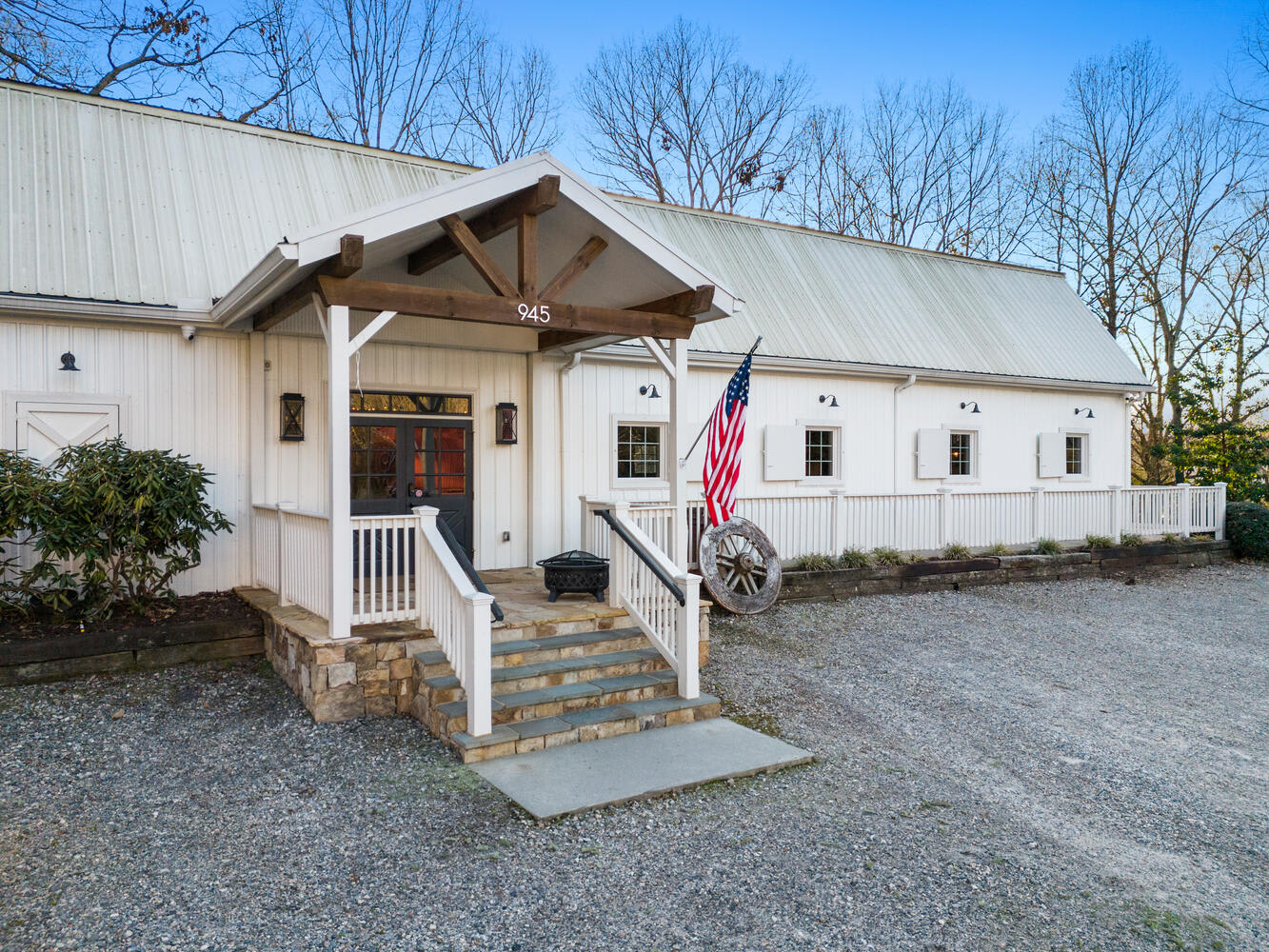
Barns, sheds, and support structures can add real appeal, but only when they are well presented. Milton’s own barn feature content offers a simple clue: structures tend to read best when owners can explain their history and current use clearly.
That means a barn should never feel like an afterthought. It should be clean, organized, photographed well, and described in a way that helps buyers understand whether it supports equestrian use, storage, hobbies, guest overflow, or broader estate functionality.
Documentation matters too. Milton’s planning identity clearly includes equestrian-oriented land use, including possible covered riding arenas on 10-plus acre parcels and standardized run-in shed plans as ideas under consideration. While those are not blanket rules, they reinforce how central these structures are to the local character, which makes compliance and clarity especially important when selling.
Sequence Improvements in the Right Order
Before you spend money preparing your property, take a step back and confirm what is already there. In Milton, permits are required for additions and renovations, detached accessory structures, new construction, and work involving plumbing, electrical, or HVAC equipment. The city also warns that work that does not match approved plans can create failed inspections, resubmittals, and added engineering costs.
For most North Valley sellers, the safest order looks like this:
- Verify permit history and approved work
- Resolve any compliance questions
- Address structural or safety issues first
- Tackle visible exterior concerns such as paint, roofing, or deferred maintenance
- Finish with cosmetic updates, staging, and presentation
This sequence protects you from investing in finishes before resolving bigger issues that could affect buyer confidence. It also helps your listing stand on firmer ground once due diligence begins.
Research on remodeling priorities supports that practical approach. The 2025 Remodeling Impact report found that painting and new roofing are among the improvements most often recommended by Realtors, and roofing also ranked highly for satisfaction and cost recovery. On an acreage property, buyers often react strongly to roof condition, exterior upkeep, and overall site maintenance.
Pull Well and Septic Records Early
If your property has a private septic system or private well, do not leave those records for the last minute. In Fulton County, environmental health staff permit and inspect those systems and review them when on-site sewage or drinking water systems are being installed.
For estate properties, early record gathering is especially important if guest spaces, barns, or outbuildings connect to separate utilities or serve multiple uses. Even if everything is functioning well, buyers will often want clarity around system history and approvals.
Getting those documents early can reduce stress later. It also gives you time to address questions before they become negotiation points.
Build a Strong Listing File
A polished listing starts long before the photography date. For a North Valley estate, your listing file should be organized, accurate, and ready to support buyer questions.
A strong file may include:
- Parcel ID
- Annual assessment notice
- Property record printouts
- Tax exemption status
- Permit history
- Septic or well records, if applicable
- Agricultural or conservation-use paperwork, if applicable
Fulton County property data can be found through the Board of Assessors, and the Tax Commissioner uses assessed value and exemption status from the Board of Assessors to calculate the tax bill. If the land qualifies for Georgia’s conservation-use assessment, bona fide conservation-use land is assessed at 40% of current use value, and the owner must file with the county board of tax assessors.
That kind of paperwork may not feel glamorous, but it can support smoother conversations and more informed offers. For luxury acreage, clean documentation often adds confidence where buyers might otherwise hesitate.
Resolve Known Issues Before Launch
Large-lot and estate sales usually involve more moving parts than a typical resale. Boundary questions, drainage concerns, aging outbuildings, older improvements, or unpermitted changes can all carry more weight when the property includes significant land or equestrian features.
Georgia law under BRRETA requires a broker engaged by a seller to present offers promptly, disclose material facts actually known to the broker, and keep confidential seller information the seller has asked to remain confidential unless disclosure is required by law. In practice, that makes early issue-spotting very important.
The goal is not to make a property feel perfect. The goal is to reduce surprises, present the estate honestly, and help buyers understand what they are purchasing with confidence.
A North Valley Launch Should Feel Curated
The right launch for a North Valley estate is rarely generic. It should feel tailored to the property’s scale, setting, and likely buyer pool.
That means the marketing should balance two stories at once. First, it should present the home itself with polished staging, strong interiors, and elevated visuals. Second, it should explain the land as a meaningful part of the offering, whether that means privacy, trails, pasture, pond views, or equestrian potential.
In a place like Milton, that balance can make all the difference. Buyers are not only shopping for a floor plan. They are often choosing a setting, a pace, and a version of luxury that feels distinctly tied to North Valley.
If you are thinking about selling, the smartest first step is a private, property-specific review of what should be highlighted, documented, improved, and left alone. To plan the right launch strategy for your North Valley estate, schedule a private consultation with Jenny Doyle.
FAQs
What makes a North Valley estate different from a typical Milton home?
- North Valley is known for larger estate lots, equestrian lots, pond lots, private trails, and a countryside feel, which means buyers often evaluate both the house and the land as part of the value.
How large does a property need to be to count as a large lot in Milton?
- Milton’s Large Lot Incentives page says properties of 3 acres or more are considered large lots.
Why does privacy matter if a buyer does not own horses?
- Milton says many residents value living around horse farms, pastures, and equestrian character even without owning horses, so privacy and open space appeal to a broader luxury audience.
What should a Milton seller do before updating a barn or outbuilding?
- Verify permit history, confirm compliance, and make sure the structure is clean, organized, and clearly documented before investing in marketing.
What records should a North Valley seller gather before listing?
- A seller should gather core property records such as parcel data, assessment information, tax exemption status, permit history, and any well, septic, agricultural, or conservation-use documents that apply.
Should cosmetic updates come before permit and system review for a Milton estate?
- No. In most cases, it is smarter to verify permits, resolve compliance issues, and address structural or safety items before spending on cosmetic work and staging.